Teaching & Learning
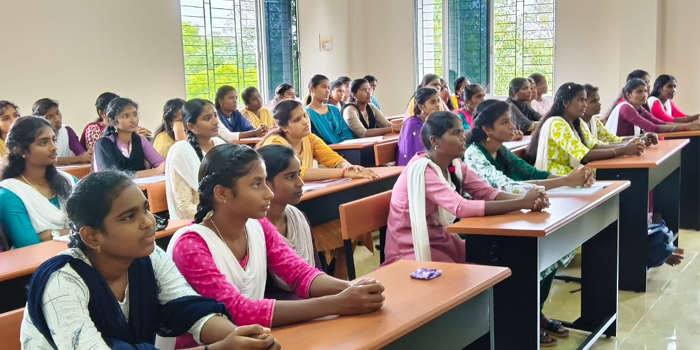
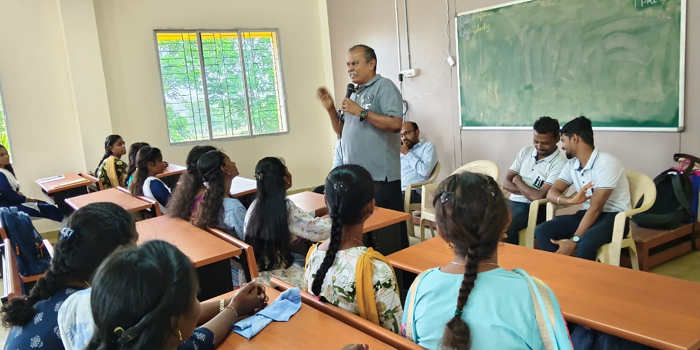
Vivekananda Global College of Nursing follows a learner-centric and practice-oriented teaching framework that integrates classroom learning with clinical exposure, simulation training, and community engagement. The institution is committed to developing competent nursing professionals through innovative pedagogical approaches and experiential learning.
Academic Delivery Methodology
The academic delivery methodology is structured to ensure conceptual clarity, skill acquisition, and professional competence. Teaching strategies include:
- Interactive classroom lectures
- Case-based learning and problem-solving approaches
- Demonstrations and return demonstrations
- Continuous internal assessment and academic mentoring
- Use of audio-visual aids and digital learning resources
Faculty members emphasize critical thinking, evidence-based practice, and ethical decision-making to prepare students for real-world healthcare challenges.
Clinical Training Model
Clinical training forms the core of nursing education at the institution. The clinical training model is designed to provide extensive hands-on experience across multiple healthcare settings.
Key features include:
- Structured clinical postings in reputed multi-specialty hospitals
- Supervised patient care under experienced clinical instructors
- Rotational exposure to medical, surgical, pediatric, obstetric, mental health, and community health units
- Skill assessment and performance evaluation during clinical practice
This model ensures students graduate with confidence, competence, and professional readiness.
Simulation-Based Learning
To bridge the gap between theory and clinical practice, the college adopts simulation-based learning using well-equipped nursing laboratories.
Simulation training includes
- Practice on mannequins and medical simulation models
- Emergency care and critical care simulations
- Skill training before live clinical exposure
- Safe learning environment for error correction and skill mastery
This approach enhances clinical accuracy, decision-making skills, and patient safety awareness.
Community Health Exposure
Community health education is a vital component of the teaching-learning process. Students actively participate in community-based programs to understand public health needs and healthcare delivery at the grassroots level.
Activities include
- Community health surveys
- Medical and health awareness camps
- School health programs
- Maternal and child health services
- Rural health centre postings
These experiences instill social responsibility and prepare students for community-oriented nursing practice.
Guest Lectures & Outreach Programs
The institution regularly organizes guest lectures and outreach programs to enrich academic learning and professional exposure.
Key initiatives include:
- Guest lectures by senior nursing professionals, doctors, and healthcare experts
- Workshops and seminars on emerging healthcare trends
- Continuing Nursing Education (CNE) programs
- Health awareness campaigns and institutional outreach initiatives
These programs broaden students’ perspectives, enhance professional knowledge, and encourage lifelong learning.
Teaching & Learning Highlights
- Student-centered teaching approach
- Strong integration of theory, practice, and community service
- Experienced faculty and clinical mentors
- Continuous evaluation and academic support